Views: 3 Author: Ahzoke Publish Time: 2026-04-16 Origin: Ahzoke Precision Machinery Co., Ltd.


The decision to choose the right Bending Press Machine is fundamental in shaping production efficiency, operational expenditures, and long-term competitiveness in fabrication shops worldwide. With decades of industry experience, AHZOKE CNC possesses a profound understanding of the selection process. As a world-class competitor in CNC machining and fabrication, we understand that investing in a Bending Press Machine is far more than just acquiring equipment—it defines precision standards, energy consumption patterns, maintenance intervals, and throughput capacity throughout the equipment's operational lifespan.
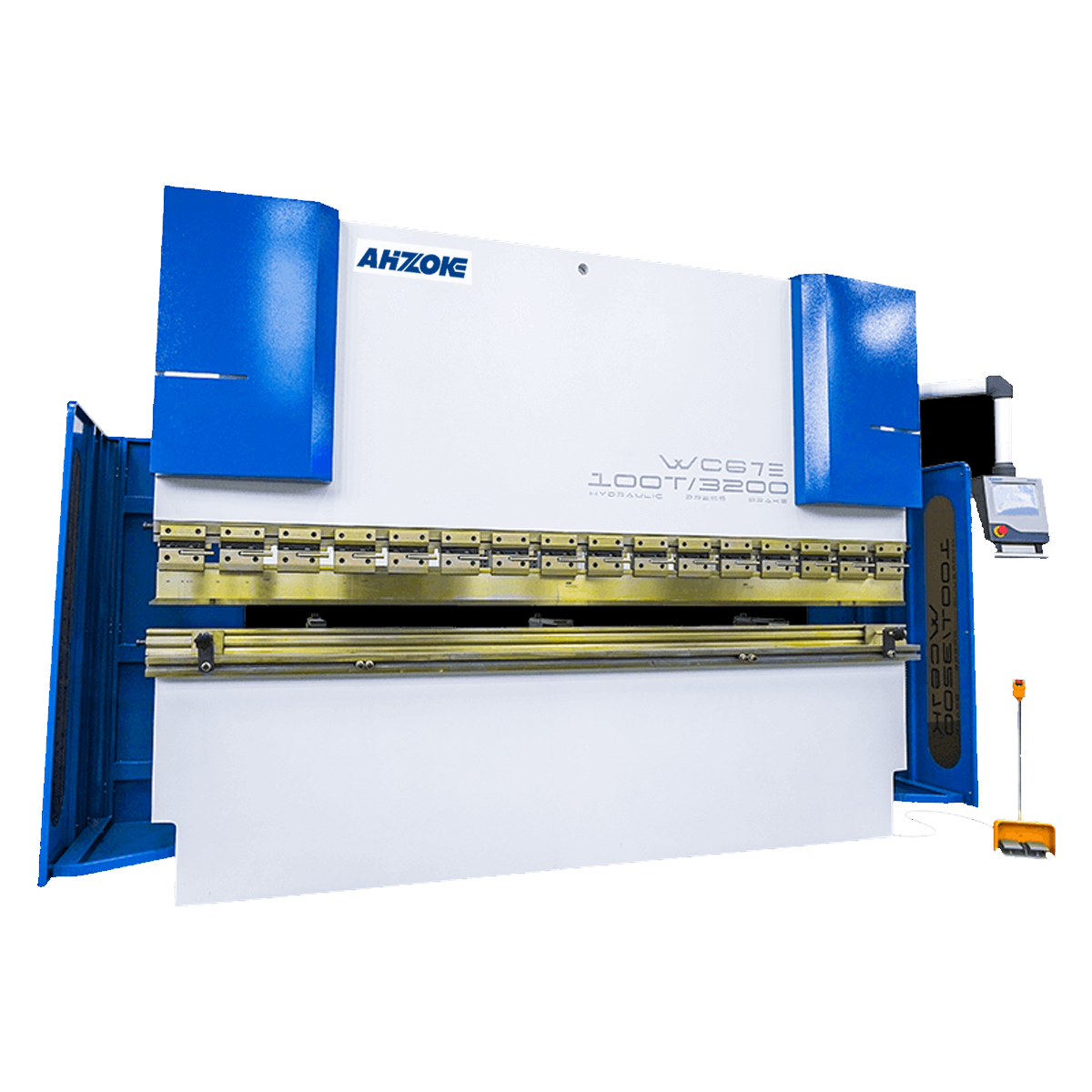
In this document, we examine the critical distinctions between electric and hydraulic bending press machines. By analyzing their respective advantages and optimal application scenarios, fabrication professionals can make procurement decisions that precisely align with their manufacturing requirements. Grasping these technological distinctions enhances productivity on the shop floor, regardless of whether one is handling thin-gauge electronic enclosures or robust structural plates.
To compare these two types of Bending Press Machines, you need to know how they make force.
• Hydraulic bending press machines utilize pressurized hydraulic fluid within cylinders to generate bending force. A continuously operating motor maintains the pressure within the system, even during instances of bending. This tried-and-true technology has proven to be reliable over decades of heavy industrial use and is still necessary for high-tonnage applications.
• Electric (Servo-Electric) Bending Press Machines work by utilizing servo motors to deliver force via precision ball screws or belt drives. These machines operate without hydraulic fluid, consuming electricity only during the bending phase. When the machine is not in operation, the servo motors are fully deactivated. This operational distinction results in significant variations in energy consumption, the speed of the cycle, and the precision of the position setting.
The quality of the components is contingent upon the precision of the selected Bending Press Machine.
New electric press brakes can achieve movement with an accuracy of approximately 0.000079 inches (1 micron). In the production of aerospace components, medical devices, and electronic enclosures, where precision is critical, achieving this degree of accuracy is essential. For instance, the CX9 series electric models demonstrate a repeat accuracy of ±0.005 mm along the Y-axis.
CNC hydraulic bending press machine systems provide sufficient accuracy for the majority of standard fabrication requirements. However, fluctuations in the temperature of the hydraulic oil during production shifts can alter its viscosity, potentially leading to minor adjustments in the angle. As operating conditions change, operators may need to do test bends or make adjustments on a regular basis.
Electric technology enhances part-to-part repeatability and reduces scrap generation in operations requiring micron-level precision.
The overall expense associated with operating a Bending Press Machine throughout its lifespan is closely linked to its efficiency in power consumption.
• Hydraulic systems maintain the operation of pumps and motors continuously, consuming electricity even during periods of inactivity between bends. This continuous operation generates heat, indicating that the facility may require additional cooling. Electric systems only turn on power when the bending cycles are happening. During standby periods, the motors are completely off.
• Field data indicates that contemporary electric press brakes consume 20 to 30 percent less energy compared to comparable hydraulic models when operated under standard production conditions. Some fully electric systems consume as much as 50% less energy compared to hydraulic systems.
Eliminating hydraulic fluid provides additional operational advantages. Electric Bending Press Machine systems eliminate leak risks, reduce waste disposal requirements, and maintain cleaner shop environments without ongoing seal maintenance concerns.
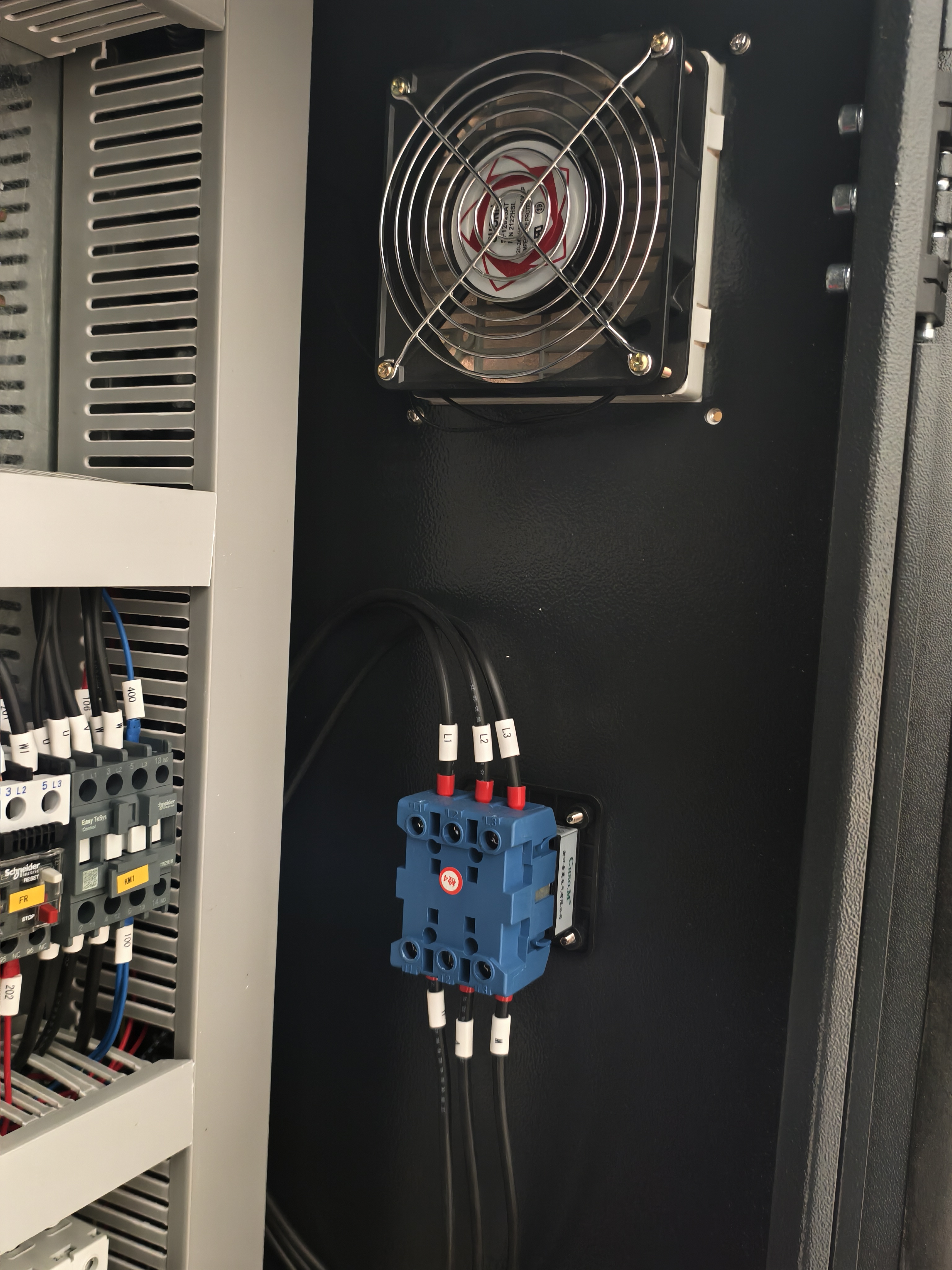
Procurement evaluations must extend beyond initial acquisition pricing to encompass complete lifecycle expenses.
• Hydraulic Press Brakes typically present lower initial investment requirements, particularly within medium to high tonnage categories. This accessibility reduces entry barriers for capital-constrained operations. However, ongoing expenses accumulate through periodic oil changes, filter replacements, seal repairs, and valve maintenance throughout the equipment’s operational life.
• Electric Press Brakes generally require higher initial capital commitment due to advanced servo systems, precision components, and sophisticated control architecture. This elevated upfront investment is frequently offset by reduced operating expenditures. Reduced component count and hydraulic system elimination decrease routine maintenance requirements primarily to cleaning and mechanical lubrication tasks.
Long-term ROI considerations should account for the acquisition cost, energy usage, maintenance expenses, and projections of residual value. Electric press brakes in multi-shift operations often result in payback periods that are shorter than initially forecasted.
Despite advancements in electric technology, hydraulic bending press machine systems continue to be the ideal choice for tasks requiring substantial force.
• Hydraulic configurations are designed to withstand significant force. They are designed to provide hundreds or thousands of tons for shipbuilding, making construction equipment, and making heavy plates. When bed lengths are longer and materials are thicker, hydraulic systems are needed because electric systems can’t handle the extra power.
• Electric configurations are most effective when the load ranges from 80 tons to 300 tons for standard models. Specialized units are capable of accommodating loads of up to 300 tons. These machines perform optimally with materials approximately 3/8 of an inch in thickness. They are particularly effective for producing brackets, enclosures, and ornamental components.
Selecting the appropriate Bending Press Machine is a matter of understanding the business’s unique needs and determining its key priorities.
Electric press brakes in multi-shift settings often achieve payback periods that are faster than initially anticipated.
Despite the evolution of electric technology, hydraulic bending press machines remain the preferred choice for applications requiring significant force.
Hydraulic systems are designed to endure high levels of stress. Engineered to support immense loads, often reaching hundreds or thousands of tons, they are utilized in industries such as shipbuilding, the creation of construction tools, and the fabrication of heavy plates. When bed lengths increase and materials become thicker, electric systems are unable to manage the additional power requirements, necessitating the use of hydraulic systems.
For standard models, electric configurations perform optimally when the load ranges from 80 to 300 tons. Specialized units are capable of supporting weights of up to 300 tons. These machines perform optimally with materials approximately 3/8 of an inch in thickness. They are particularly effective for creating brackets, enclosures, and ornamental components.
To choose the most appropriate Bending Press Machine, it is crucial to fully grasp your business’s requirements and its primary goals.
When selecting a hydraulic bending press machine, it is essential to consider the following factors:
✓ Primary processing involves materials exceeding 3/8-inch thickness requiring consistent tonnage above 100 tons
✓ Extended bed length necessary for elongated heavy component forming
✓ Diverse heavy fabrication operations requiring proven hydraulic durability
✓ Initial capital conservation represents a critical budget consideration
When selecting an electric bending press machine, consider the following factors:
✓ Tight-tolerance precision parts for aerospace, electronics, or medical applications
✓ Energy consumption reduction priorities with corresponding carbon footprint improvement
✓ Long-term maintenance minimization objectives
✓ Frequent changeover operations with high-mix, low-volume production requirements
Modern factories rely significantly on electric and hydraulic bending press technologies. Neither type is universally superior; the optimal choice is contingent upon the particular requirements of the manufacturing process. At AHZOKE CNC, our role extends beyond merely selling equipment. We collaborate with various companies to generate innovative product ideas. Our engineering team, with its extensive experience in solving complex challenges, is adept at handling demanding environments.
We offer expert counsel and comprehensive turnkey solutions, ensuring the delivery of high-quality products at exceptional prices. Contact our team to discuss your future in fabrication. They provide specialized guidance and comprehensive turn-key solutions that ensure the delivery of superior products at competitive prices. Contact our team to discuss your future in fabrication.


